How We Produce Calcium Silicate Pipe Sections
Calcium Silicate Pipe Sections are widely used for thermal insulation in high-temperature industrial systems. They provide excellent heat resistance, dimensional stability, low thermal conductivity, and long service life.
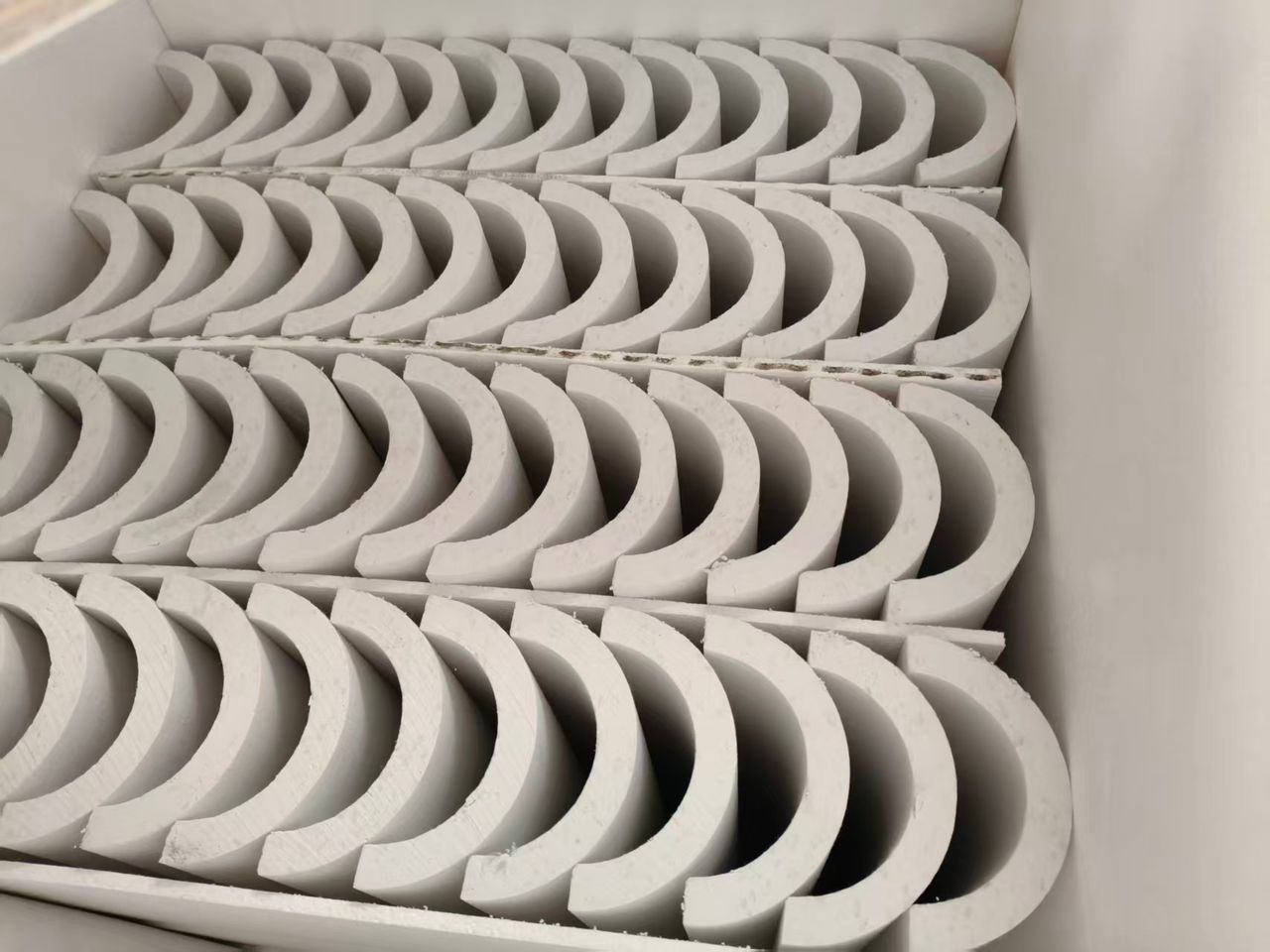
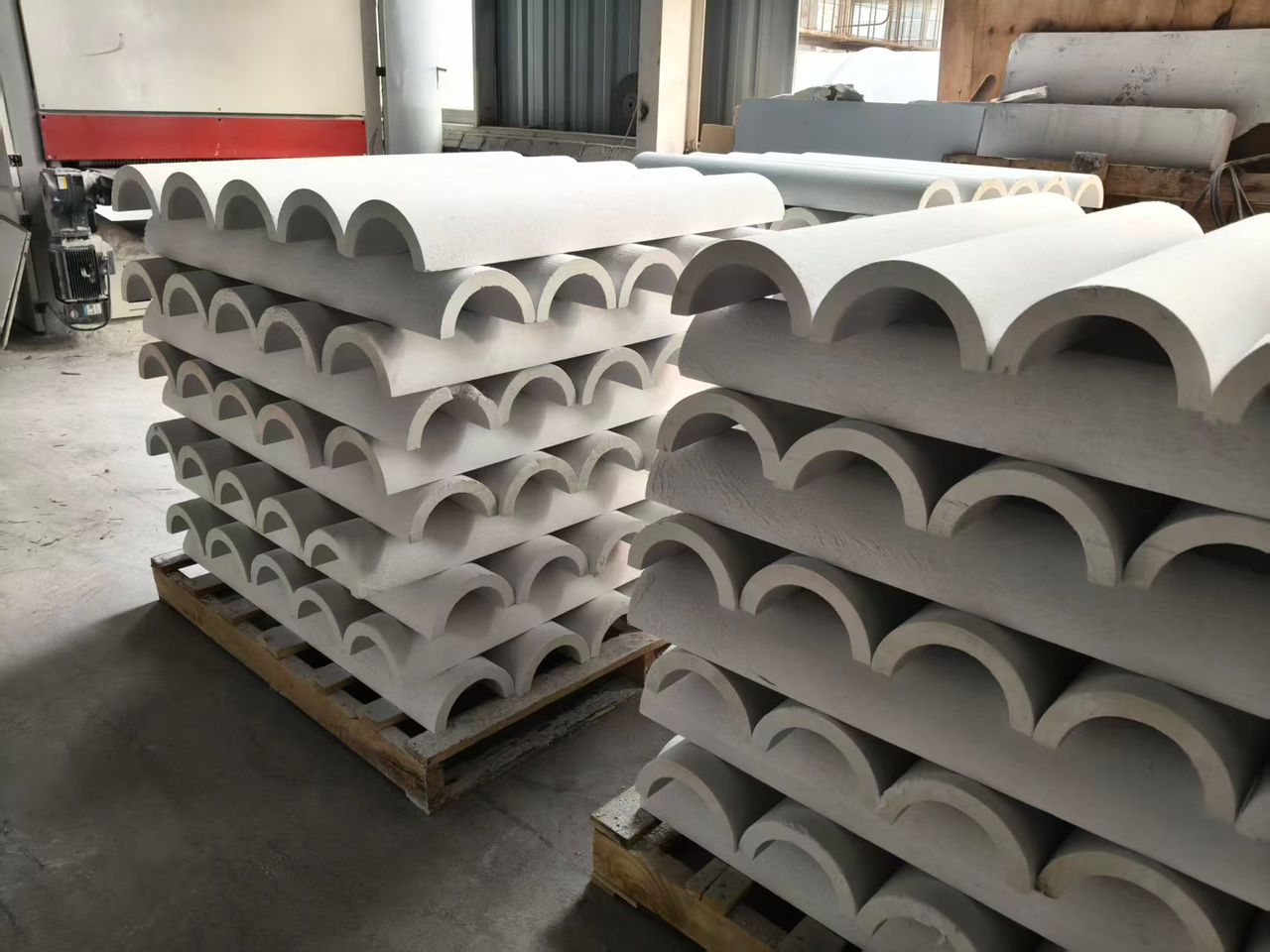
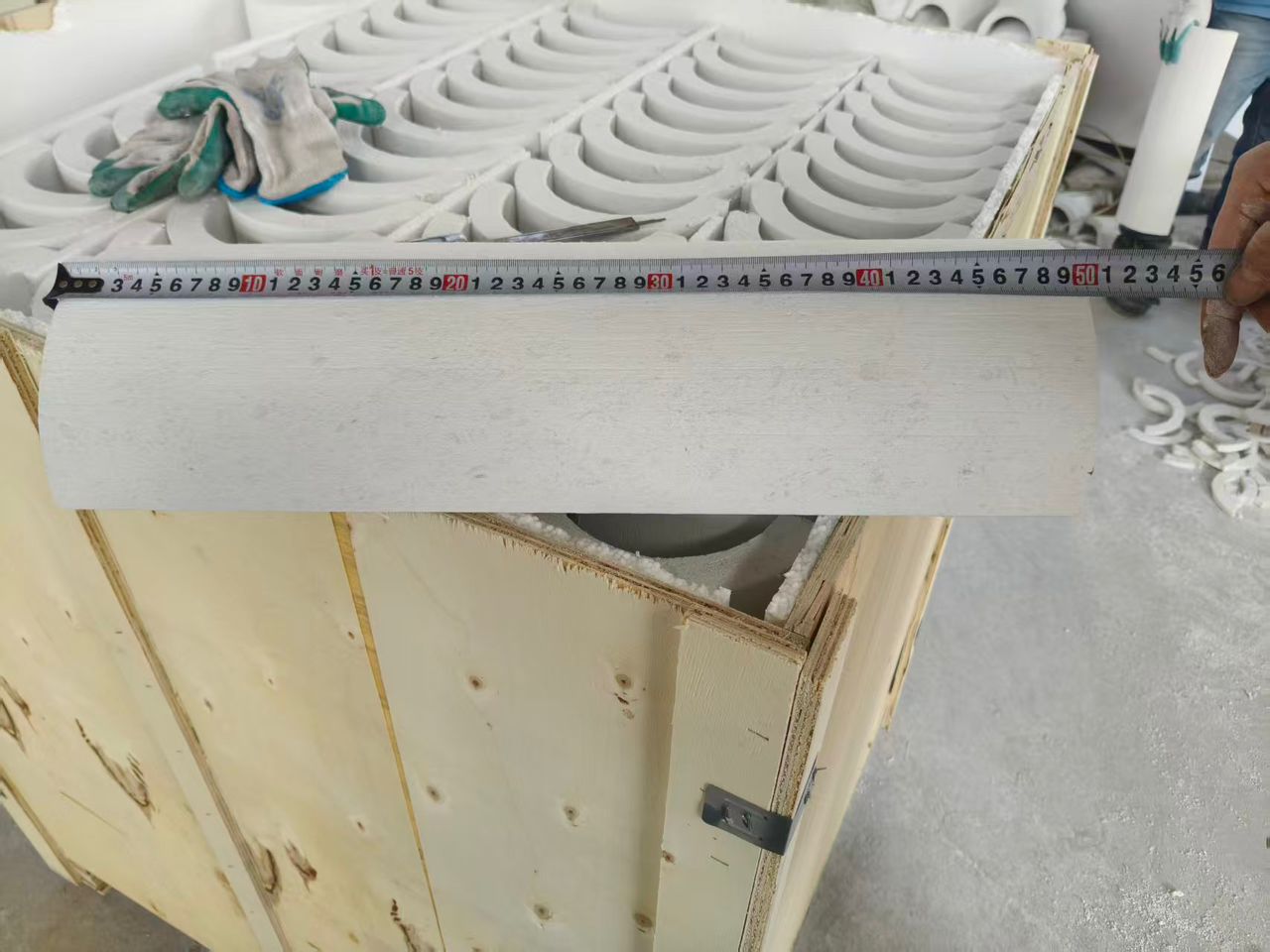
In this article, we show how calcium silicate pipe insulation sections are produced in our workshop.
What Is a Calcium Silicate Pipe Section?
Calcium Silicate Pipe Section (Ca Si Pipe Section) is a rigid insulation product designed for insulating industrial pipelines operating under elevated temperatures.
Typical applications include:
- Steel Plants
- Power Plants
- Petrochemical Facilities
- Refinery Projects
- Industrial Boilers
- Furnace Piping Systems
The material combines thermal insulation performance with mechanical strength and long-term stability.
Step 1 – Raw Material Preparation
Production begins with carefully selected raw materials.
The main ingredients are mixed according to controlled formulations to ensure stable density, strength, and thermal insulation properties.
Strict material control helps maintain product consistency.
Step 2 – Mixing and Slurry Formation
The prepared materials are mixed with water to create a uniform slurry.
Proper mixing ensures:
- Uniform structure
- Stable insulation performance
- Controlled density
This stage directly affects final product quality.
Step 3 – Molding the Pipe Sections
The mixed material is poured into specially designed pipe molds.
During molding:
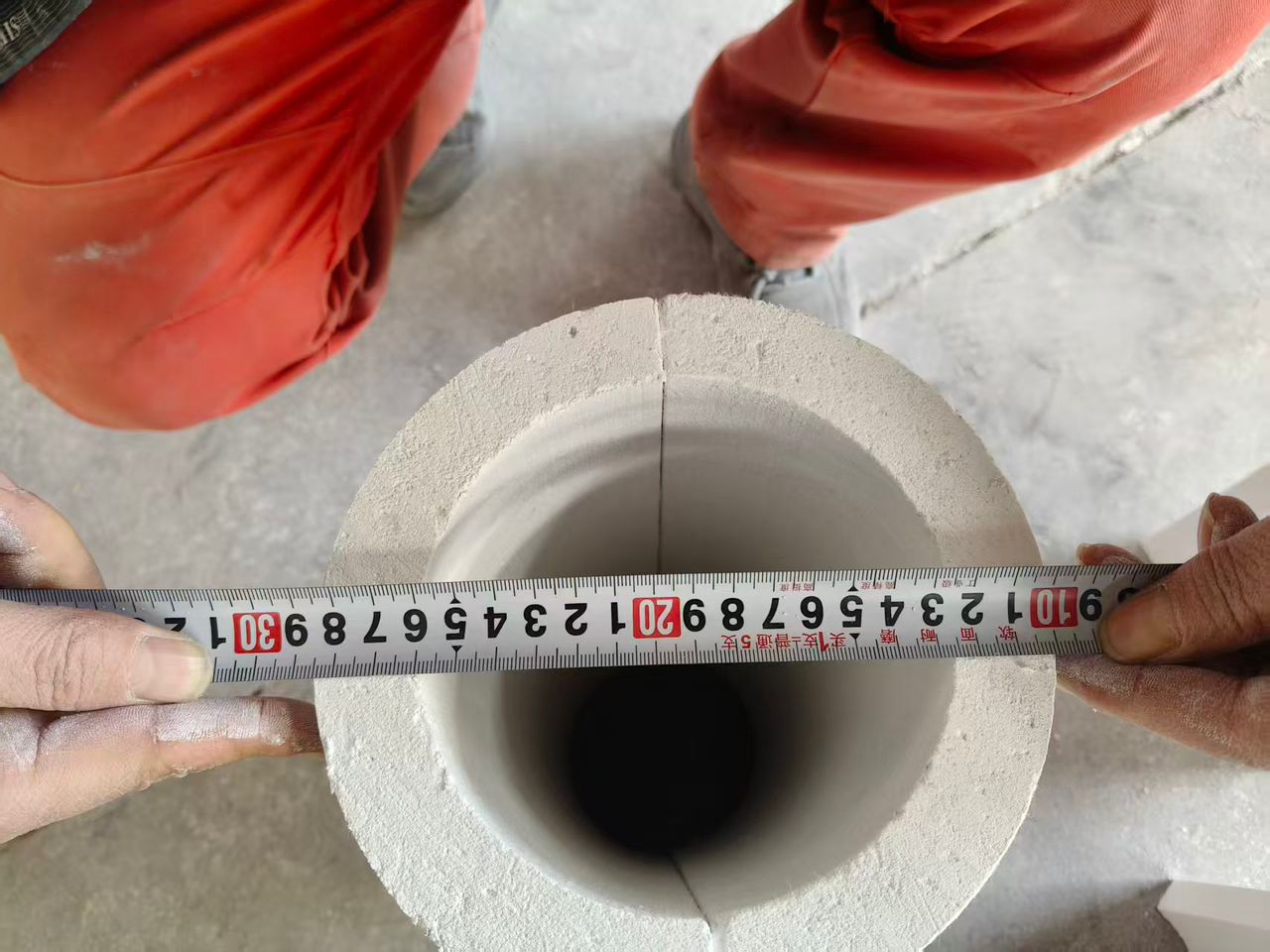
- Internal diameter is controlled
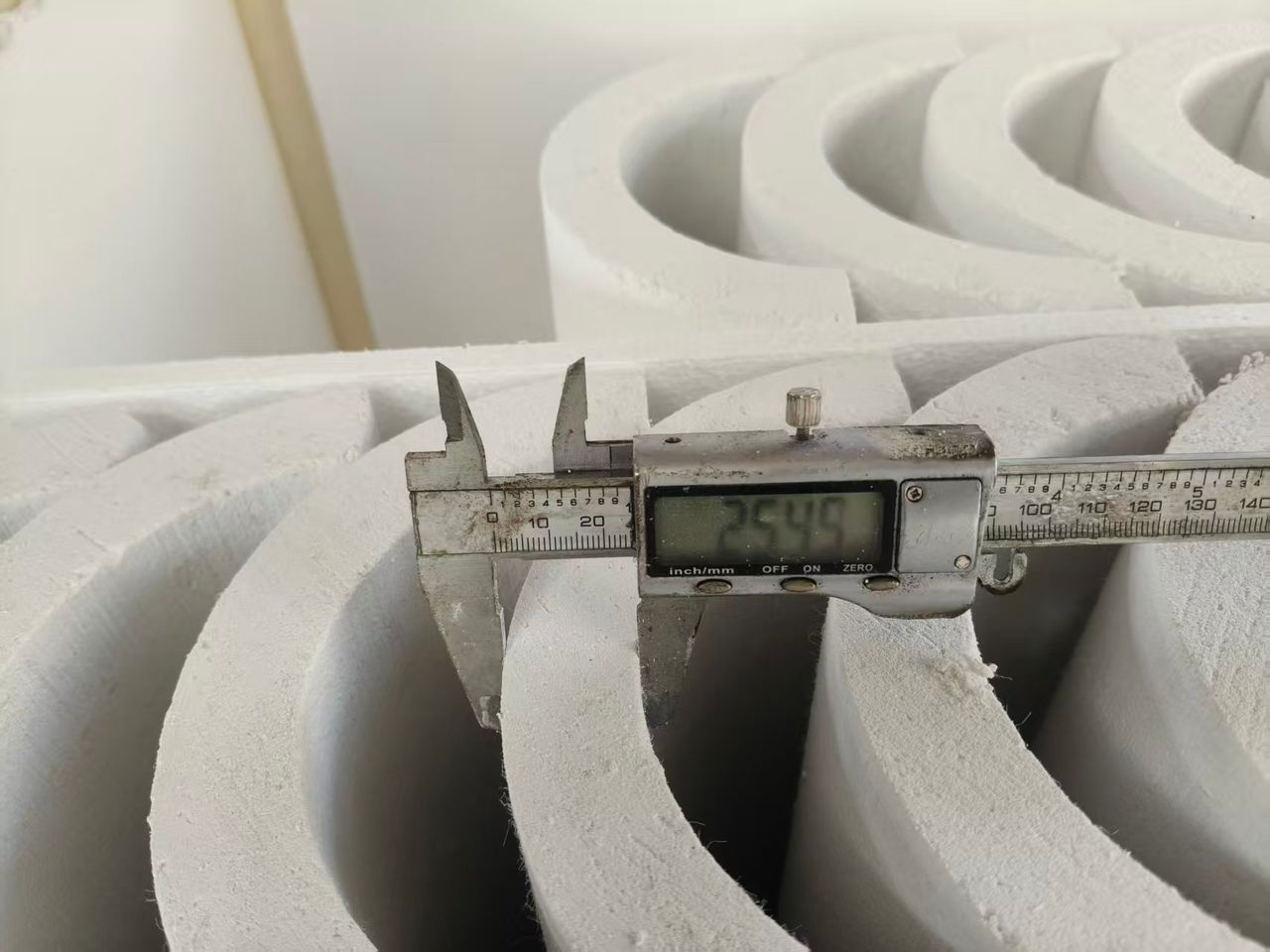
- Wall thickness is adjusted
- Shape accuracy is maintained
Different pipe sizes can be produced according to customer requirements.
Step 4 – Curing and Drying
After molding, the sections undergo controlled curing and drying.
This process:
- Removes moisture
- Improves structural integrity
- Stabilizes dimensions
Proper drying is essential for achieving long service life.
Step 5 – Cutting and Surface Finishing
After curing, the pipe sections are trimmed and machined.
Production operators inspect:
- Dimensional accuracy
- Surface condition
- Density consistency
- Structural integrity
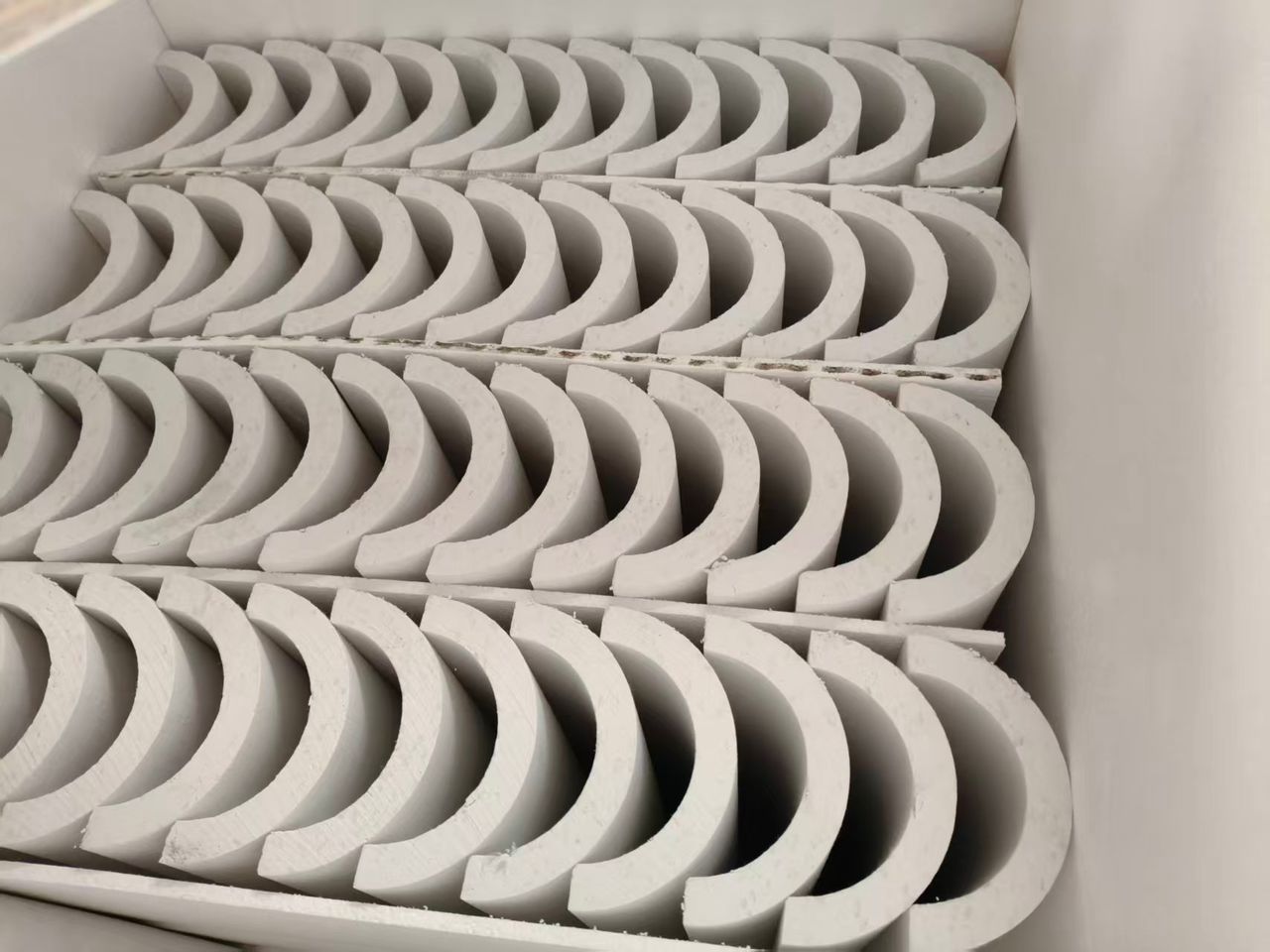
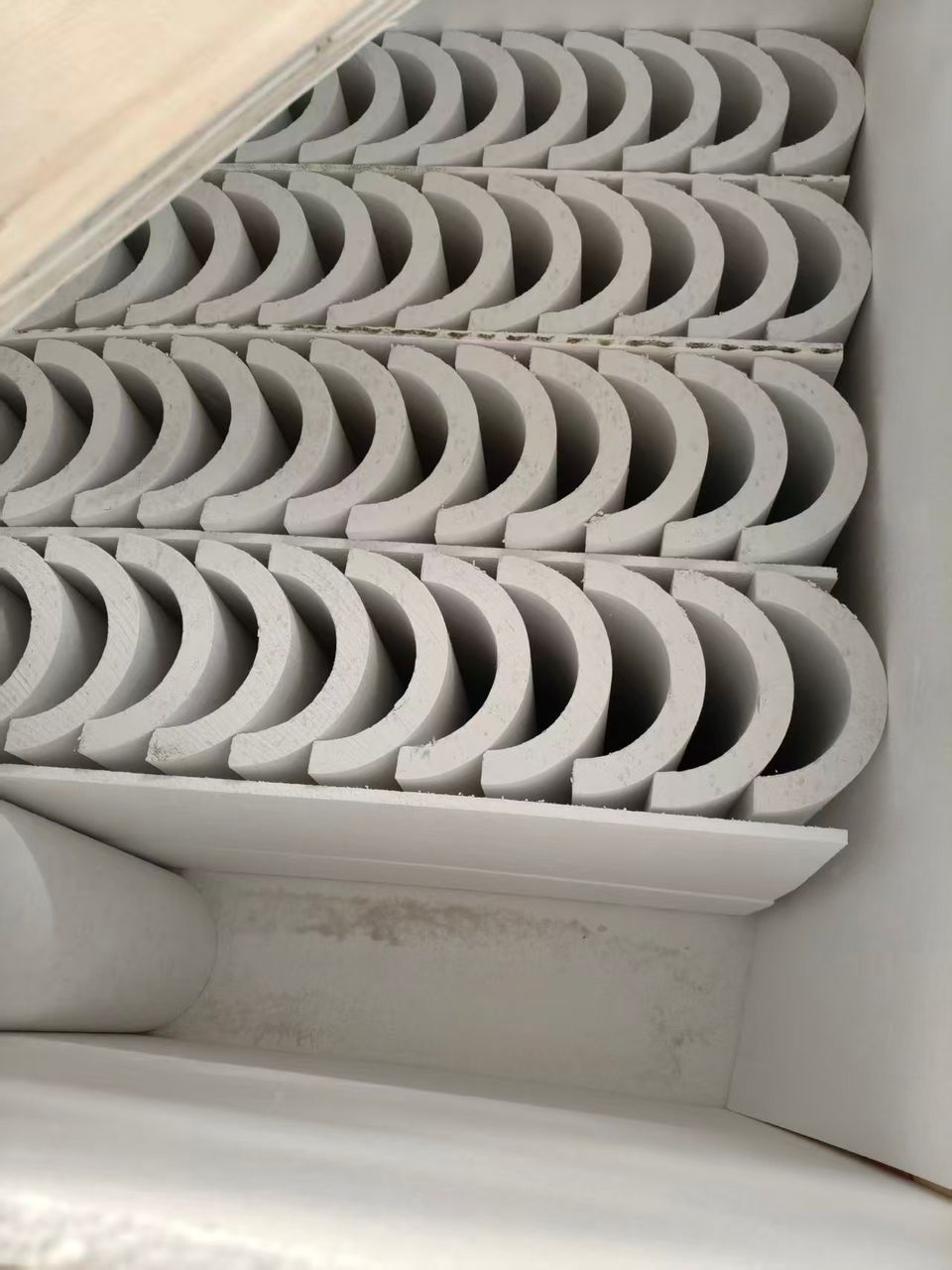
Products are prepared for packaging after inspection.
Step 6 – Quality Inspection
Each batch is checked to verify performance.
Typical inspection items include:
- Density
- Compressive Strength
- Thermal Conductivity
- Dimensional Tolerance
- Surface Quality
Only qualified products proceed to shipment.
Advantages of Calcium Silicate Pipe Sections
Our calcium silicate pipe insulation offers:
✓ High Temperature Resistance
✓ Low Thermal Conductivity
✓ Good Mechanical Strength
✓ Easy Installation
✓ Long Service Life
✓ Stable Performance
Typical Applications
Calcium Silicate Pipe Sections are commonly installed in:
- Steam Pipelines
- Industrial Furnaces
- Boiler Systems
- Thermal Power Equipment
- Process Pipelines
Conclusion
Producing high-quality calcium silicate pipe sections requires controlled raw materials, precision forming, and strict inspection.
Our manufacturing process is designed to deliver reliable insulation products for demanding industrial environments.
Contact us for custom dimensions and insulation solutions.